The Evolution of Digital Asset Exchanges: From Centralized to Decentralized Platforms

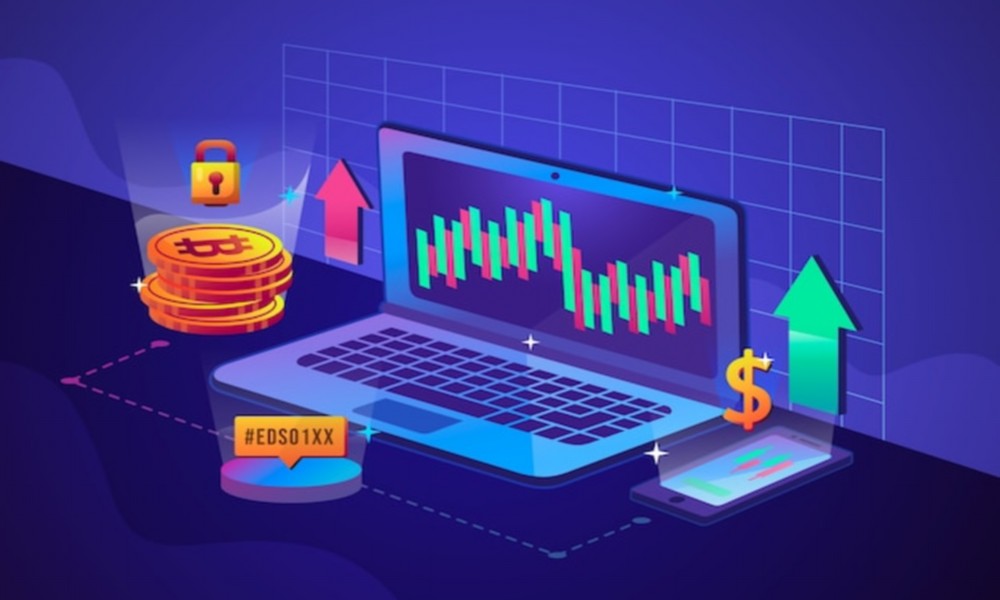
Filename: digital-asset-exchange
Alt-text: digital asset exchange for cryptocurrency
The world of digital asset exchanges has undergone a dramatic transformation since the inception of Bitcoin over a decade ago. In 2024, the cryptocurrency market reached a staggering $1.2 trillion in total market capitalization, highlighting the immense growth and importance of these platforms in the global financial ecosystem.
Digital asset exchanges are the gateways through which individuals and institutions access and trade cryptocurrencies and other digital assets. Initially dominated by centralized exchanges (CEXs), the industry has witnessed a significant shift towards decentralized exchanges (DEXs), driven by a quest for greater security, transparency, and autonomy.
|
Key Milestones in the Evolution of Digital Asset Exchanges The Birth of Centralized Exchanges (2010s): Early centralized exchanges like Mt. Gox and BTC-e provided a platform for trading Bitcoin and other cryptocurrencies. These platforms laid the groundwork for the exchange infrastructure we see today but also highlighted the need for improved security and regulation. The Rise of Major Centralized Exchanges (2015-2020): Platforms such as Coinbase, Binance, and Kraken became dominant players in the market, offering a wide range of cryptocurrencies and advanced trading features. They played a significant role in the mainstream adoption of digital assets. The Emergence of Decentralized Finance (DeFi) and DEXs (2018-Present): The rise of DeFi platforms like Uniswap, SushiSwap, and PancakeSwap marked a significant shift towards decentralized trading. These platforms utilize automated market makers (AMMs) and liquidity pools to facilitate trades without a central authority. The Evolution of Hybrid Exchanges (2020-Present): Hybrid exchanges aim to combine the best features of centralized and decentralized platforms. These exchanges offer the convenience and liquidity of CEXs while incorporating decentralized elements to enhance security and privacy. |
|---|
Filename: cryptocurrency-blockchain-exchange

Alt-text: cryptocurrency blockchain exchange ecosystem
What You Need to Know About Centralized Exchanges
Centralized exchanges (CEXs) emerged as the initial solution for trading cryptocurrencies. These exchanges operate as intermediaries that manage user funds, execute trades, and maintain an order book of buy and sell orders.
Key Features of Centralized Exchanges
User Experience and Accessibility: Centralized exchanges typically offer intuitive interfaces, making it easy for newcomers to buy, sell, and trade digital assets. They also provide customer support, which can be beneficial for users who need assistance.
High Liquidity: Due to their large user bases and market presence, centralized exchanges generally offer high liquidity, allowing for quick execution of trades without significant price slippage.
Advanced Trading Features: Centralized platforms often come with advanced trading tools, including margin trading, futures contracts, and derivatives, catering to both novice and experienced traders.
Regulatory Compliance: Many centralized exchanges adhere to local regulations, implementing Know Your Customer (KYC) and Anti-Money Laundering (AML) procedures to ensure legal compliance.
However, despite these advantages, centralized exchanges have faced criticism and challenges, particularly regarding security and transparency. Notable incidents, such as hacking attacks and insider fraud, have raised concerns about the safety of user funds and the overall trustworthiness of these platforms.
The Emergence of Decentralized Exchanges
In response to the shortcomings of centralized exchanges, decentralized exchanges (DEXs) have gained traction. DEXs aim to address the issues of trust and security by leveraging blockchain technology to facilitate peer-to-peer trading without the need for a central authority.
Key Features of Decentralized Exchanges
Decentralization: Unlike centralized exchanges, DEXs operate on blockchain networks, using smart contracts to manage trades. This eliminates the need for a central authority, reducing the risk of single points of failure and enhancing security.
Enhanced Privacy: DEXs typically do not require users to complete KYC procedures or provide personal information, thereby offering greater privacy and anonymity.
Ownership and Control: Users retain control over their private keys and funds, reducing the risk of theft or loss associated with centralized exchanges.
Permissionless Trading: DEXs allow anyone to trade digital assets without needing permission or approval from a central authority. This fosters greater financial inclusivity and access to global markets.
Despite these advantages, decentralized exchanges also face challenges, such as lower liquidity compared to centralized counterparts, slower transaction speeds, and a steeper learning curve for users unfamiliar with blockchain technology.
Filename: DeFi-exchange
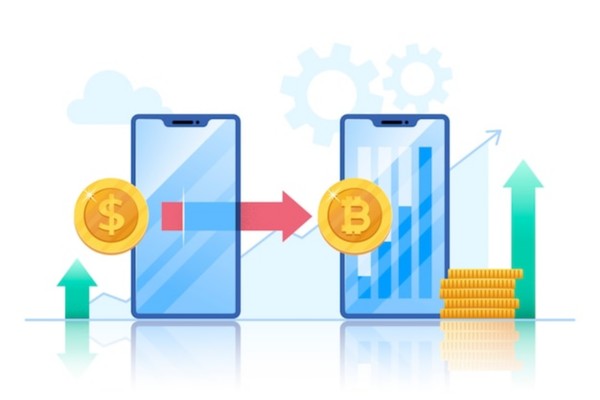
Alt-text: DeFi exchange concept
The Future of Digital Asset Exchanges
As the digital asset landscape continues to evolve, the future of exchanges will likely see further innovations and transformations. Several trends and developments are expected to shape the future of digital asset exchanges:
Cross-Chain Integration: One of the key trends in the evolution of digital asset exchanges is cross-chain integration. Platforms are developing solutions to enable seamless trading across different blockchain networks. This innovation aims to enhance liquidity and expand trading opportunities for users.
Integration of Advanced Technologies: The integration of technologies such as artificial intelligence (AI), machine learning, and blockchain interoperability will enhance the functionality and efficiency of both centralized and decentralized exchanges.
Regulatory Evolution: As the regulatory environment adapts to the growing influence of digital assets, exchanges will need to navigate evolving regulations and compliance requirements.
Automated Market Makers (AMMs): AMMs, which are used in many DEXs, are evolving with new algorithms and mechanisms to improve efficiency and reduce slippage. Innovations in AMM design are helping to address liquidity challenges and enhance the overall trading experience.
Expansion of DeFi and New Financial Products: The continued growth of the DeFi ecosystem will drive the development of new financial products and services, expanding the range of options available to traders and investors. This includes partnerships with banks, investment firms, and payment processors, which aim to bridge the gap between digital and fiat currencies.
Increased Adoption of Hybrid Models: Hybrid exchanges that combine the strengths of centralized and decentralized platforms are likely to gain traction, offering users a balanced approach to trading. Examples include Deversifi and 1broker, which offer the security and user control of DEXs while leveraging the liquidity and efficiency of CEXs.
|
The Need for Combining Centralized and Decentralized Features
|
|---|
Ready to Dive into the Future of Digital Asset Trading?
Whether you’re an experienced trader or new to the world of digital assets, understanding the evolution of exchanges is crucial for making informed investment decisions. Kenson Investments is committed to providing you with the latest insights and strategies to navigate this dynamic market.
Stay Ahead of the curve with analysis and tailored investment solutions from digital asset specialists. Call 1.800.970.2506 to book exclusive digital asset specialist services and leverage the best opportunities in all types of evolving digital asset exchanges that can help minimize associated risks.
About the Author
Susan P. is a seasoned cryptocurrency enthusiast and blockchain technology advocate with a deep understanding of the digital asset exchange landscape. With 5 years of experience in the cryptocurrency space, she has been actively involved in researching, investing, and educating others about the transformative potential of blockchain technology and cryptocurrencies like Band digital asset exchanges.
Disclaimer: “The cryptocurrency and digital asset space is an emerging asset class that has not yet been regulated by the SEC and US Federal Government. None of the information provided by Kenson LLC should be considered financial investment advice. Please consult your Registered Financial Advisor for guidance. Kenson LLC does not offer any products regulated by the SEC including, equities, registered securities, ETFs, stocks, bonds, or equivalents”