Reliable Trading Performance Often Depends On Consistency Behind Every Connection Everyday

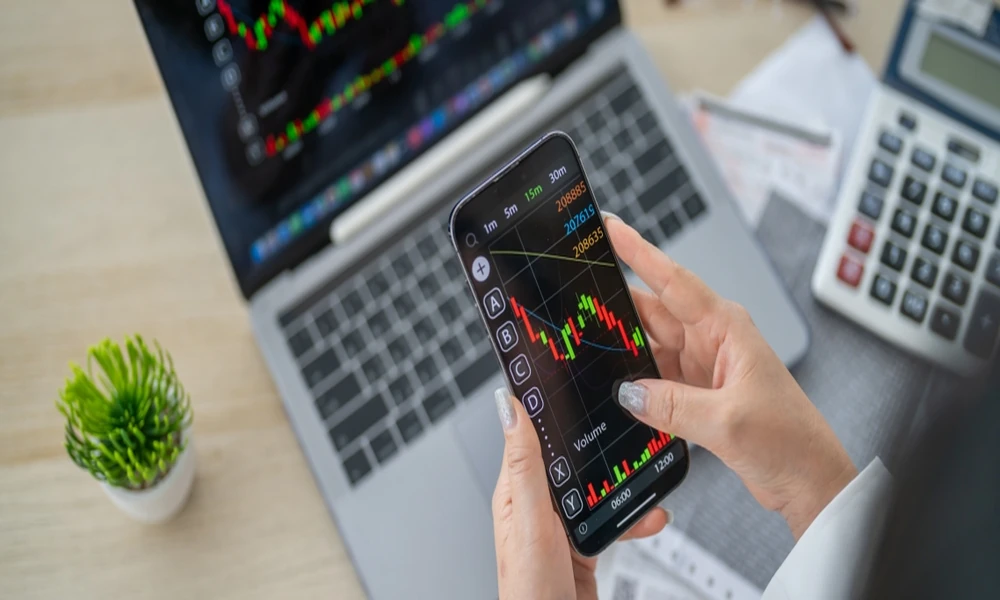
Most traders spend their time thinking about charts. A better entry. A cleaner trend. Maybe the next economic report. Very few people begin by thinking about the computer sitting behind the trade. That usually changes after something goes wrong.
An internet connection drops. A trading platform freezes for a few moments. An automated strategy misses an opportunity because the computer was switched off overnight. None of those situations happen every day, but they happen often enough that traders eventually start asking a different question.
Do I need a forex vps? The answer depends less on trading experience and more on how someone actually trades.
Why Uninterrupted Trading Matters
- There is a difference between watching the market and relying on it. Someone placing one trade every few weeks may barely notice a short internet interruption.
- Another trader running automated strategies throughout the night notices immediately. The market never pauses because someone’s home computer restarted. It keeps moving.
- That is why reliability becomes more valuable as trading activity becomes more consistent. Not because every second matters, but because missing the wrong second sometimes does. People rarely think about stability until they lose it.
Understanding What A VPS Actually Does
A VPS is often described as another computer. That description is technically correct. It also misses the point.
The real advantage is that the trading platform continues running inside a remote server instead of depending entirely on a personal computer sitting at home.
- Your laptop can be turned off.
- The trading platform keeps working.
- The electricity at home might fail.
- The server continues running somewhere else.
That simple shift changes how automated trading systems operate because they are no longer tied to whether someone’s computer stays connected every hour of the day.
Automated Trading Systems And Stable Execution
Automation changes what traders worry about. Before using automated strategies, people usually think about entries and exits. Afterwards, they start wondering whether the strategy is actually running. An expert advisor cannot react if the platform is closed.
- It cannot place orders if the computer loses power.
- It cannot monitor price movement while the operating system is installing updates.
- These situations sound ordinary because they are.
That is exactly why they matter. A VPS is not designed to improve a trading strategy. It is designed to help keep that strategy available when market conditions continue changing.
Choosing Specifications Based On Trading Style
People sometimes search for the most powerful VPS available. That isn’t always necessary. The better question is whether the server matches the way the trading platform will actually be used.
Things worth comparing include:
- Available memory and processing power.
- Server reliability and uptime.
- Distance between the server and trading infrastructure.
- Number of trading platforms expected to run.
- Technical support when problems occur.
Buying more resources than needed does not automatically improve trading. Choosing too little can become frustrating later. Finding the middle ground usually works better.
When Using A VPS Makes Practical Sense
Some traders may never need one. Others reach a point where it simply fits the way they trade. A VPS often becomes more relevant when:
- Automated strategies run throughout the day.
- Trading continues overnight.
- Consistent platform availability becomes important.
- Multiple trading accounts operate at the same time.
- Internet reliability at home becomes unpredictable.
Interestingly, many traders begin researching VPS services only after experiencing connection problems once or twice. The question arrives after the inconvenience. Not before it.
Common Misconceptions About Hosting Services
One misunderstanding appears quite often. People assume a forex vps makes trading strategies more profitable. It doesn’t.
A VPS cannot improve market analysis. It cannot predict price movement. It cannot remove trading risk.
What it can do is provide a more reliable environment for running a trading platform, particularly when consistency matters more than convenience.
That difference is worth remembering because expectations sometimes become larger than the technology itself.
Frequently Asked Questions
Does every trader need a VPS?
No. It depends on trading style, automation, and how important continuous platform availability is.
Will a VPS improve trading results automatically?
No. A VPS supports platform stability and execution but does not improve trading decisions or market predictions.